 Cart
Search
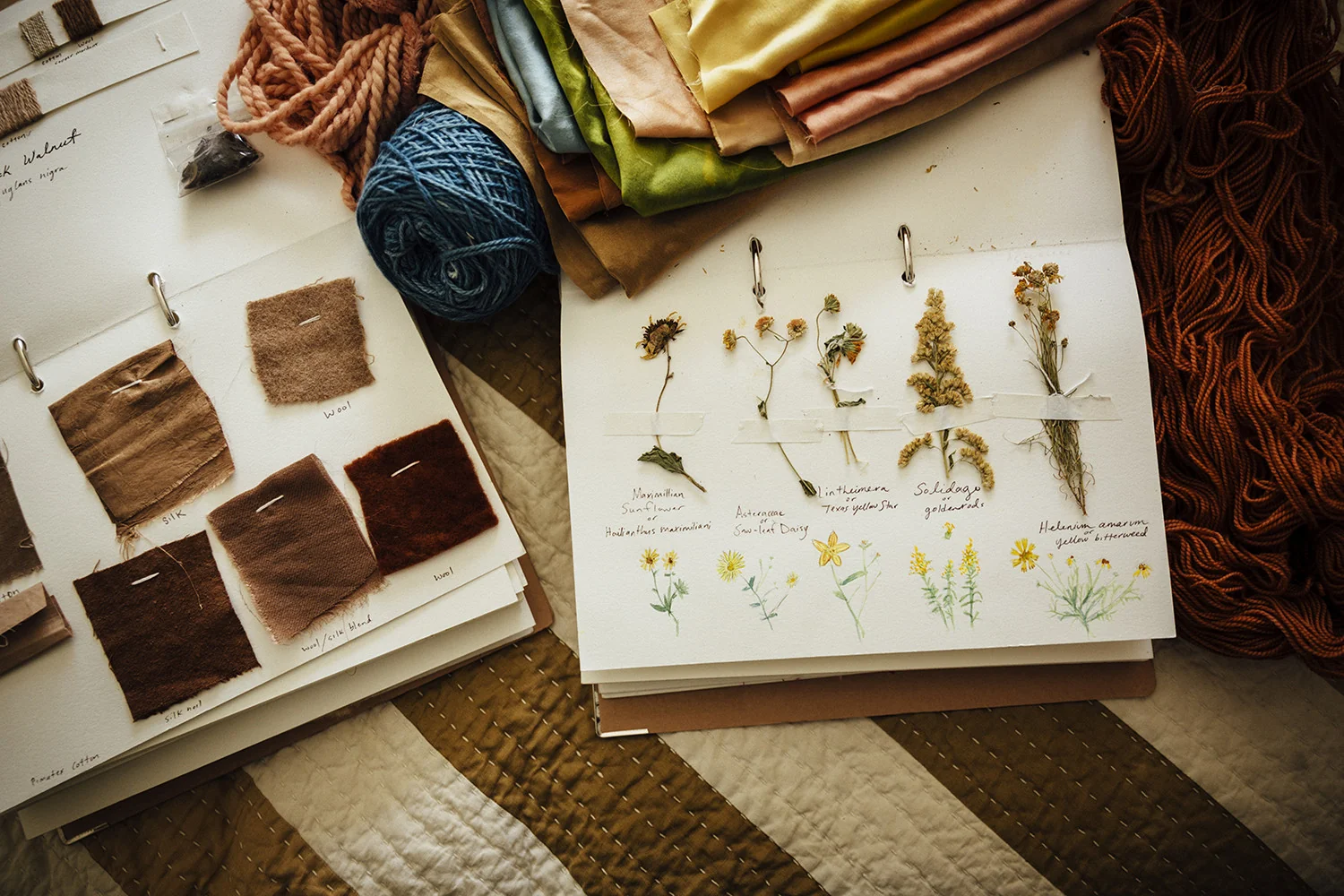
Knit Wit is a new voice for and home to the modern craft movement. Through captivating photography and thoughtfully-arranged storytelling, we aim to celebrate the dynamic world of contemporary fiber arts and craft; to create a publication that is as richly beautiful and exciting as the work and community it reflects.
With an internal motto of “interest over instruction,” Knit Wit seeks to engage and inspire; to clear an inclusive space that is inviting and comfortable for masters, hobbyists and newcomers alike. It’s a publication for anyone with a curious mind, a love of design and an interest in people.
As editors and art directors, we’re admittedly not a crack ad sales team. Which is actually just fine by us. That said, we do work with a short list of like-minded advertisers to create meaningful co-branded engagement with our base. Together, we can create sponsored content or targeted advertising that suits your brand’s needs, while creating value for our readership.
For more information or to request a media kit, contact studio@knitwitmag.com —we look forward to hearing from you!
Love what we’re up to and want to join in? Well, great. Shoot us an email with your portfolio or website and a few ideas, already!
For words: zinzi@knitwitmag.com
For images: gigi@knitwitmag.com
Knit Wit Magazine positions itself as a contemporary voice for the modern craft movement, celebrating fiber arts, textiles, and the wider community of makers shaping today's handmade culture. Rather than centering only on technique, the publication approaches craft as a living conversation between tradition and innovation, inviting readers to explore materials, textures, and the people who work with them. This broader perspective reflects a growing recognition that handmade practices sit at the crossroads of design, art, and everyday life, attracting audiences who value creativity alongside skill and looking for storytelling that honors the richness of contemporary craft culture as a shared and evolving experience worth paying attention to in its own right.
Central to the publication's identity is a commitment to visual storytelling, where photography carries as much meaning as the words on the page. Carefully composed images invite readers to look closely at the details of yarn, thread, and woven structures, while thoughtful layouts transform editorial features into immersive reading experiences. Editorial design choices shape how a story unfolds, allowing makers' processes to breathe across spreads and inviting curiosity about the hands and intentions behind each piece. By treating imagery as an essential narrative element rather than decoration, the magazine cultivates a contemplative pace that contrasts with the rush of fast-moving trends, modeling how slow attention and good design can coexist within independent modern publishing today.
Underpinning this approach is an internal philosophy of interest over instruction, signaling that the pages are meant to spark curiosity rather than dictate technique. Readers are welcomed into a space where questions, experiments, and personal histories matter as much as patterns and tutorials. This orientation creates room for quieter stories: an exploration of a single material, a reflection on the rhythms of a studio, or a meditation on why a maker chose a particular color palette. By foregrounding ideas and atmosphere over how-to instruction, the magazine invites both seasoned fiber artists and curious newcomers to linger, rethink assumptions, and find fresh angles on practices they may have thought they already understood at a fundamental level.
Inclusivity shapes every corner of the publication, from contributor selection to the tone of its features. Masters, hobbyists, and newcomers are framed as equally valid members of a shared craft conversation, and the editorial voice avoids jargon-heavy posturing in favor of warm, accessible language. Stories often emphasize collaborative spirit: fibers passed between generations, techniques shared across studios, and ideas exchanged between makers with wildly different backgrounds. This welcoming stance acknowledges that contemporary craft is enriched by diverse perspectives and lived experiences, and it positions the magazine as a gathering place where readers can recognize their own curiosity in unfamiliar stories, fostering a sense of belonging within a creative community that values openness and mutual encouragement at every stage of the maker journey.
Beyond the printed page, the magazine functions as a hub connecting readers to the broader ecosystems surrounding fiber, textiles, and craft. Editorial features often serve as entry points to events, stockists, independent makers, and conversations unfolding across social platforms, weaving publication and community into a single resource. Readers can trace topics from a feature into a shop, a workshop, or an online dialogue, reflecting how modern makers move fluidly between physical and digital spaces. By acting as both a journal and a meeting point, the publication supports a culture in which craft is not consumed passively but participated in actively, encouraging readers to engage with the community of makers shaping contemporary textile culture.